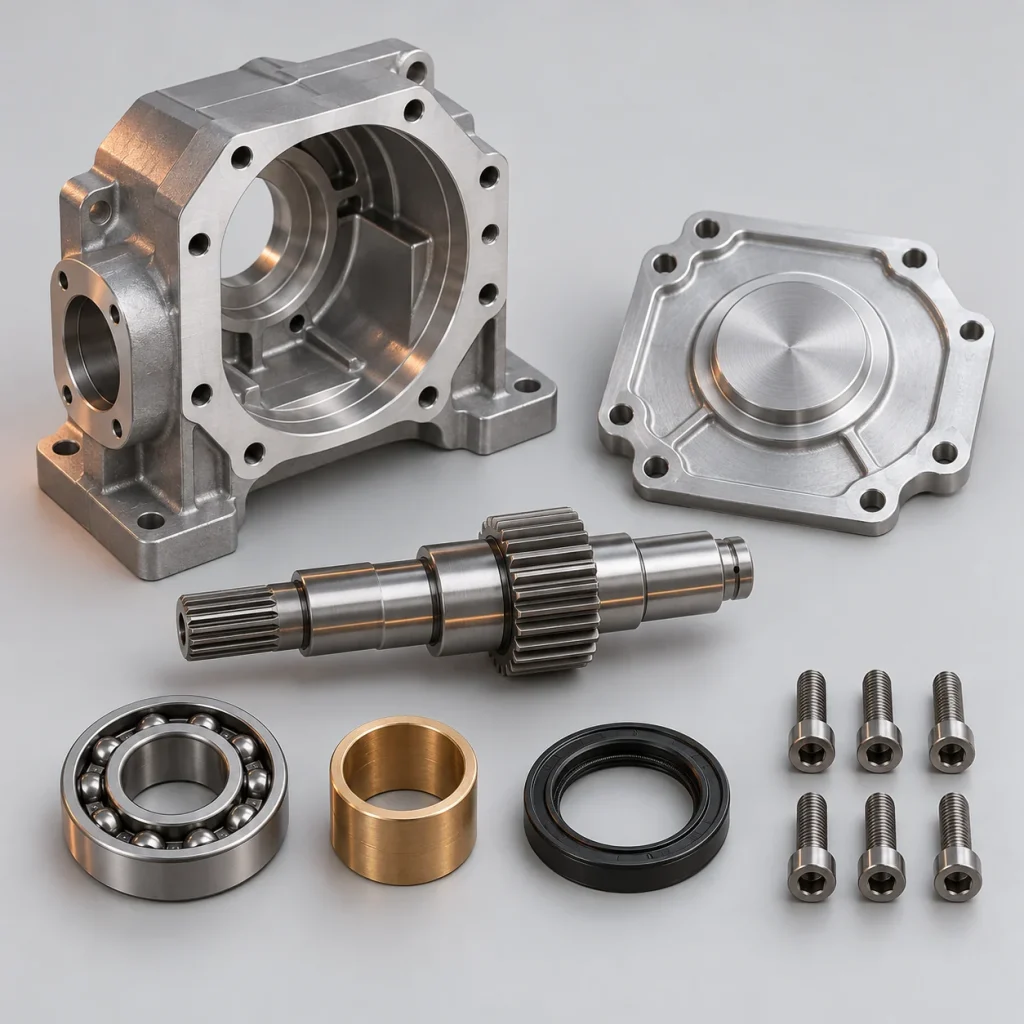
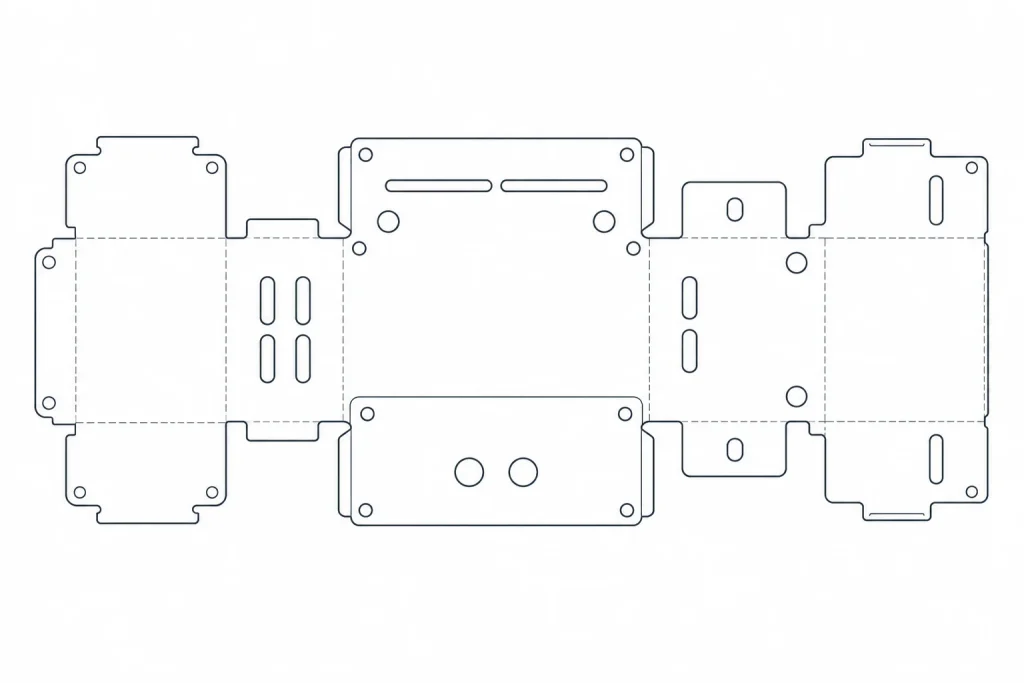
Compare the geometry, edge requirements and downstream operations before choosing a manufacturing route for a metal component.
Begin with the finished component
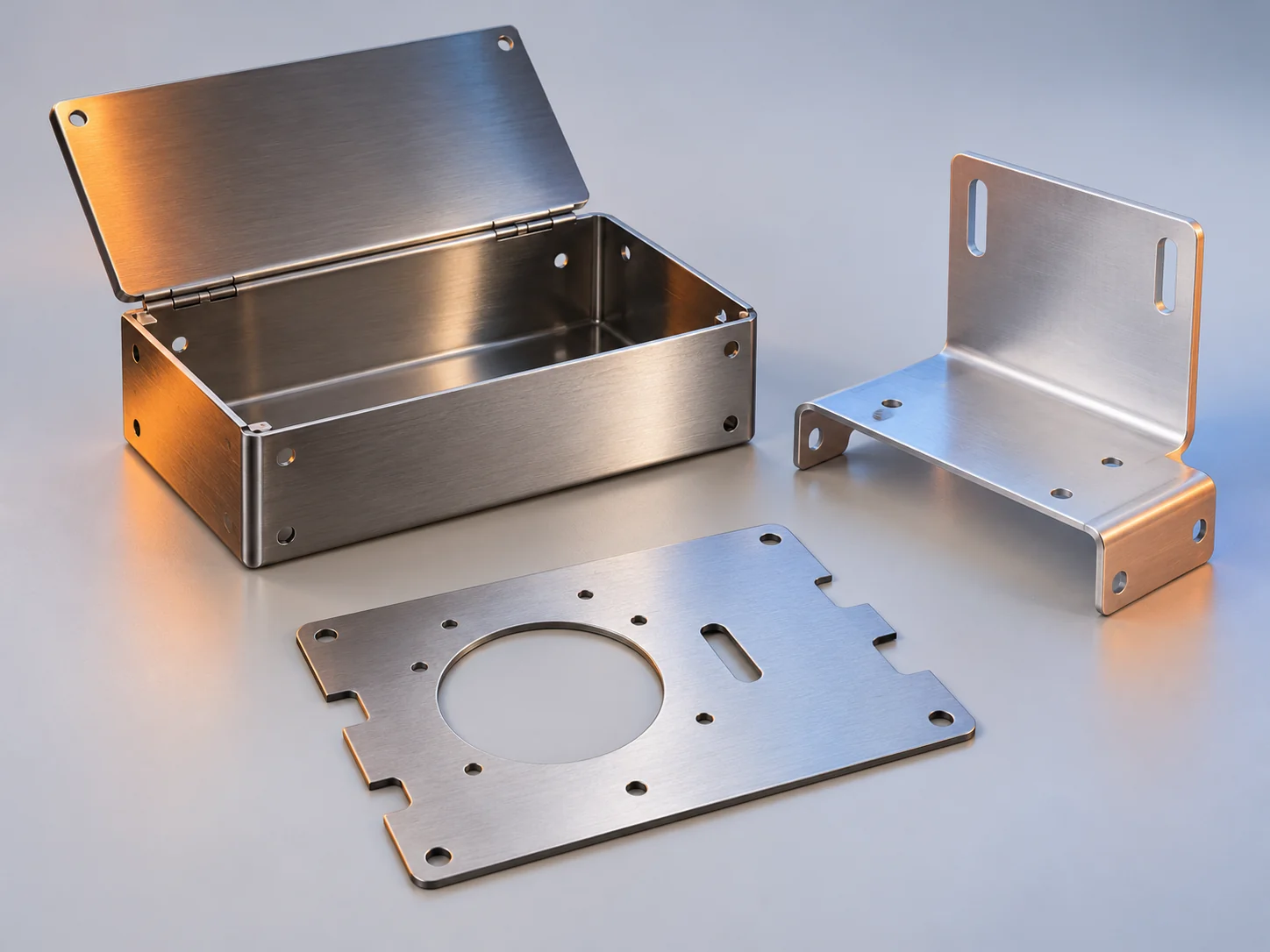
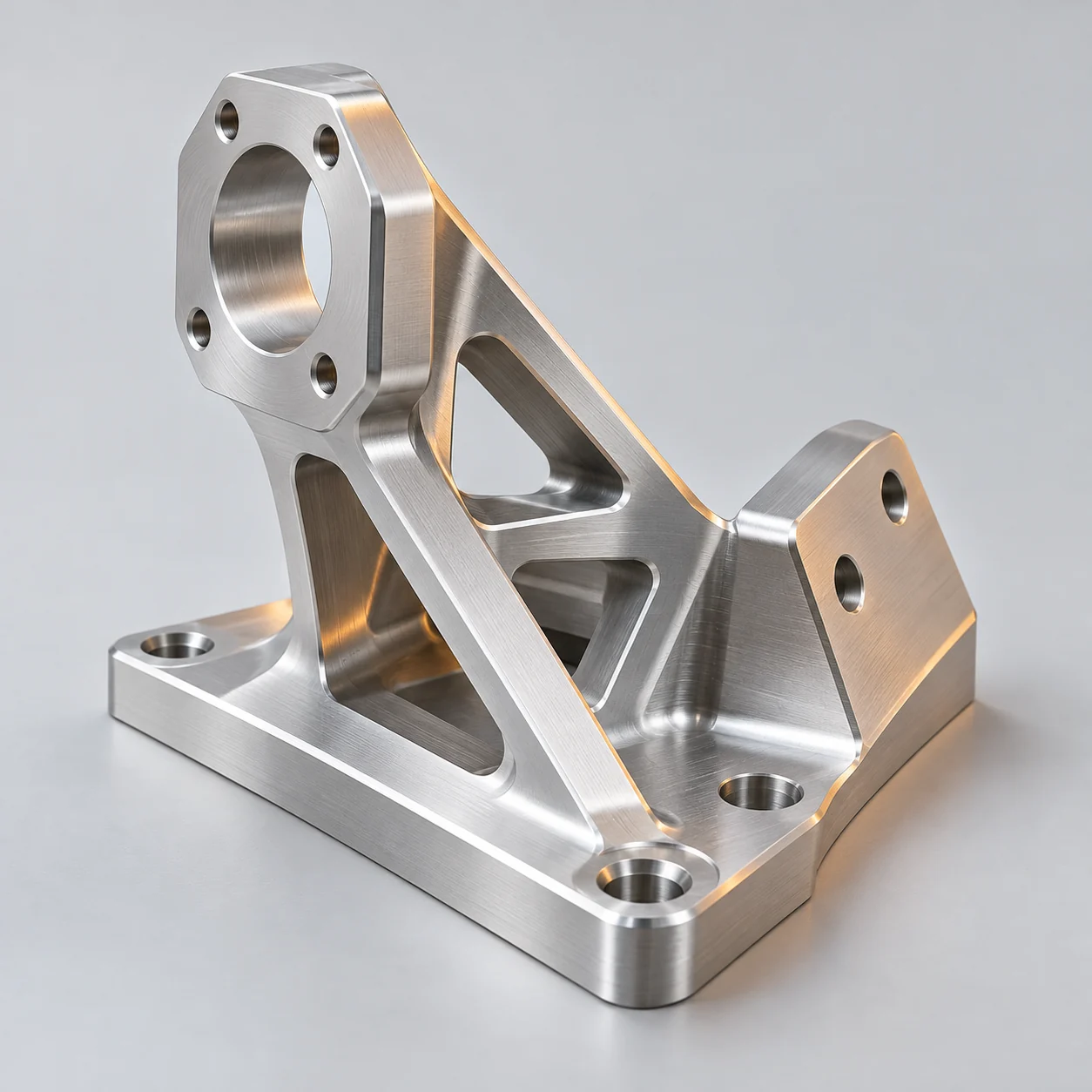
A flat profile, a folded enclosure and a housing with deep pockets present different manufacturing problems. Choose the process from the required final geometry, material, quantity and acceptance basis. Avoid selecting a route solely because a similar-looking component was made that way.
Separate flat profiles from three-dimensional features
Cutting a profile from sheet creates an outline and accessible internal cutouts. CNC machining removes material to create features such as pockets, controlled depth surfaces and bores. A component may need both processes, plus forming or finishing.
Review the edge and surface requirements
Decide whether the cut edge is functional, cosmetic or hidden in an assembly. Record burr limits, surface condition, holes that need secondary processing and any finishing that changes the final dimensions. Confirm the acceptance basis for the completed component.
Choose CO2 or fiber with the actual process provider
The source type alone is not a complete process specification. The actual equipment configuration, material, thickness, assist gas and required edge condition determine what needs validation. Request a process-specific assessment or sample when the edge quality is critical.
Account for bending, joining and access
A sheet metal design may require bend relief, tool clearance, weld access and control of the dimensions after forming. A machined design needs cutting-tool access and a realistic approach to internal corners and deep features. Review the complete sequence rather than treating the blank as the finished part.
Compare the complete cost drivers
Material use, nesting or removed volume, setup, number of operations, finishing and inspection contribute to the finished-part quotation. Repeated geometry and order quantity can change the preferred route. A raw material price comparison is not enough.
Define a sample that resolves the uncertainty
If flatness, edge condition, cosmetic appearance or fit is unresolved, name the feature the sample must demonstrate. Document any differences from production intent. Recheck the design after finishing and forming where those operations affect function.
Prepare the process review package
Send the current CAD and drawing, exact material and thickness or stock requirements, quantity, surface condition and critical dimensions. State whether process alternatives are welcome. Ask for the assumptions and secondary operations to be included in the proposal.
Compare the review inputs
| Decision | Sheet cutting route | Machining route |
|---|---|---|
| Geometry | Flat profile, sheet cutouts and a later forming plan. | Pockets, depth-controlled surfaces and three-dimensional interfaces. |
| Requirements to review | Material and thickness, edge condition, burr limits and downstream forming. | Tool access, datum scheme, internal corners and final acceptance. |
| Quote inputs | Current drawing, flat pattern where relevant, finish and quantity. | CAD and drawing, exact material condition, critical features and quantity. |
Have a part to review?
Connect this guidance to your drawing, material and acceptance requirements.
Frequently asked questions
Does this guide confirm a manufacturing specification?
No. It helps organize the project review. Final feasibility, process, tolerances, commercial terms and delivery need order-specific confirmation.
What if an input is still undecided?
Identify it as an open question and describe the function or constraint it must satisfy. Confirm the chosen option before release.