
Engineering alignment
Connect dimensions to the assembly function and identify the reference system used for inspection.
INDUSTRIES / AEROSPACE & DEFENSE
Review machined components, development hardware and tooling around the drawing, functional interfaces and acceptance package. Establish the required supplier qualifications and documentation before confirming any program scope.
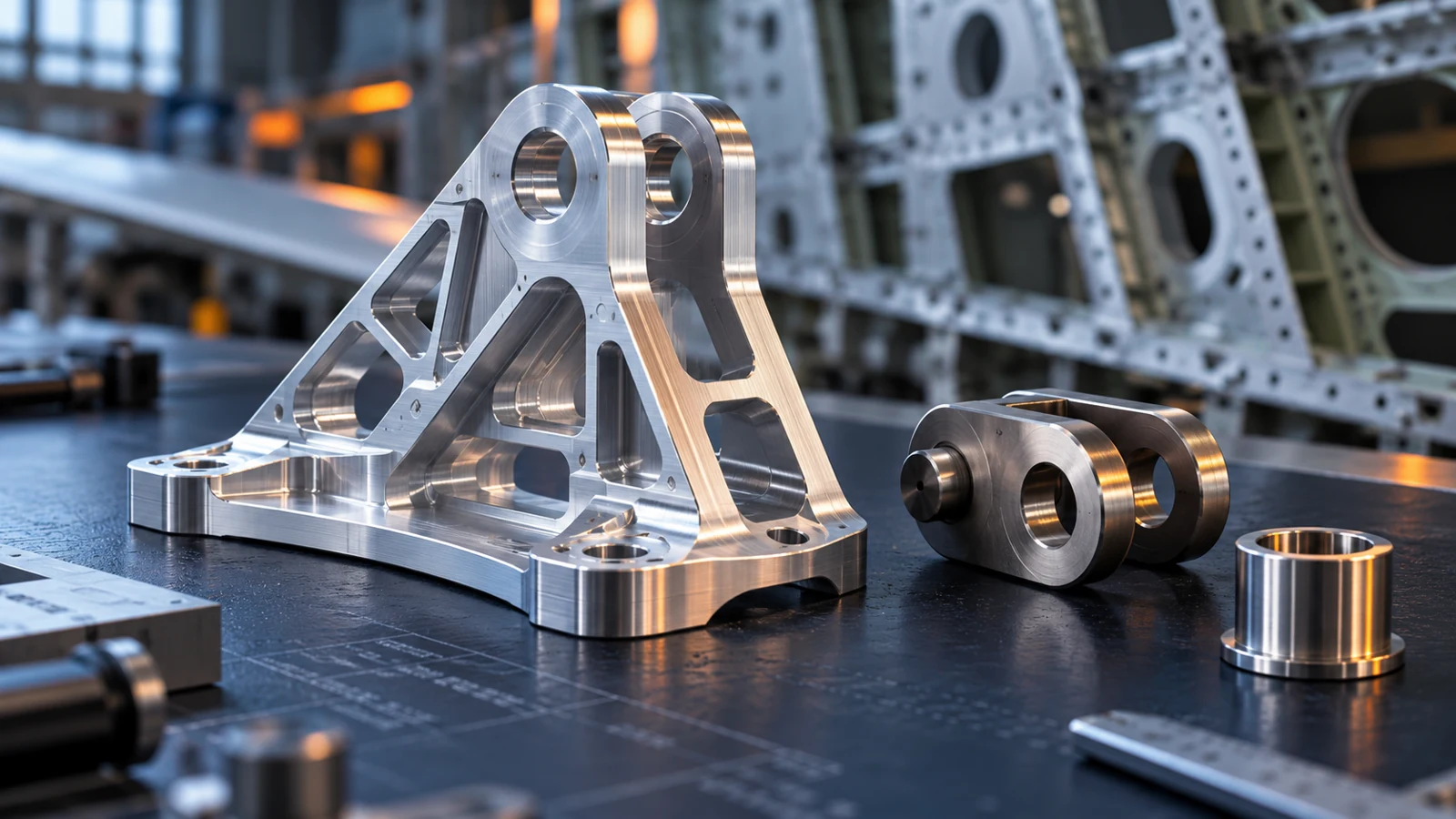
Connect dimensions to the assembly function and identify the reference system used for inspection.
Separate fixed requirements, alternatives, sample quantities and future release needs.
Define requested records, approvals, identification and the final acceptance basis.
Engineering, procurement and quality teams often need to assess the same component from different perspectives. Keep the intended use, geometry, material, critical features and delivery records together so the machining discussion can be reviewed internally.
Request current qualification documents and confirm their scope before supplier approval. The examples below describe component and project requirements; they are not claims of certification, customer approval or program eligibility.
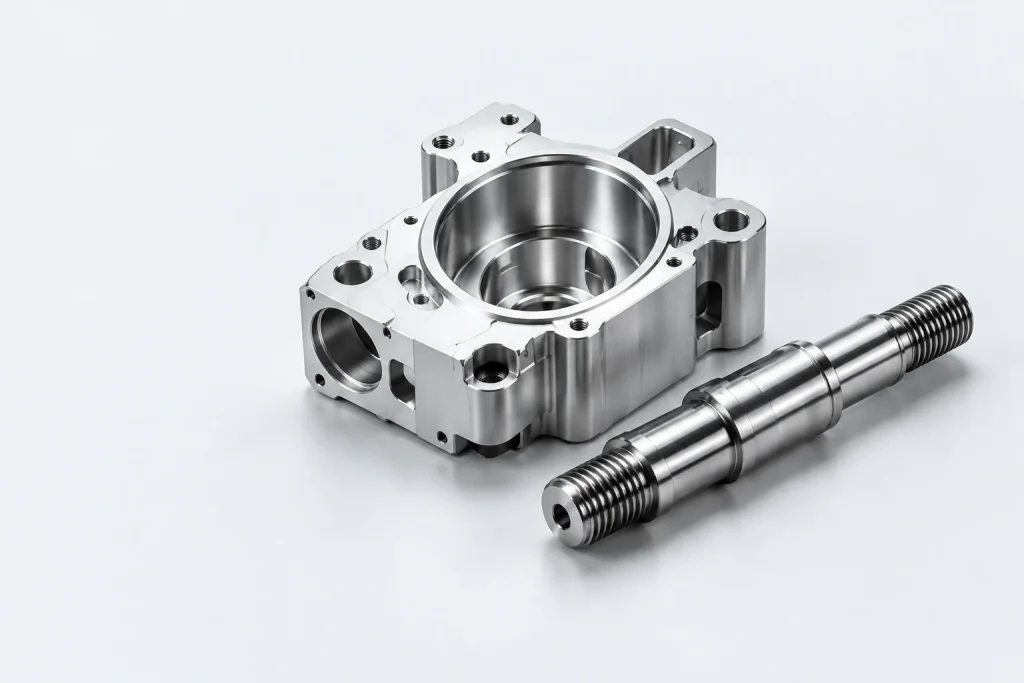
Housings, shafts, brackets and drawing-defined interfaces.
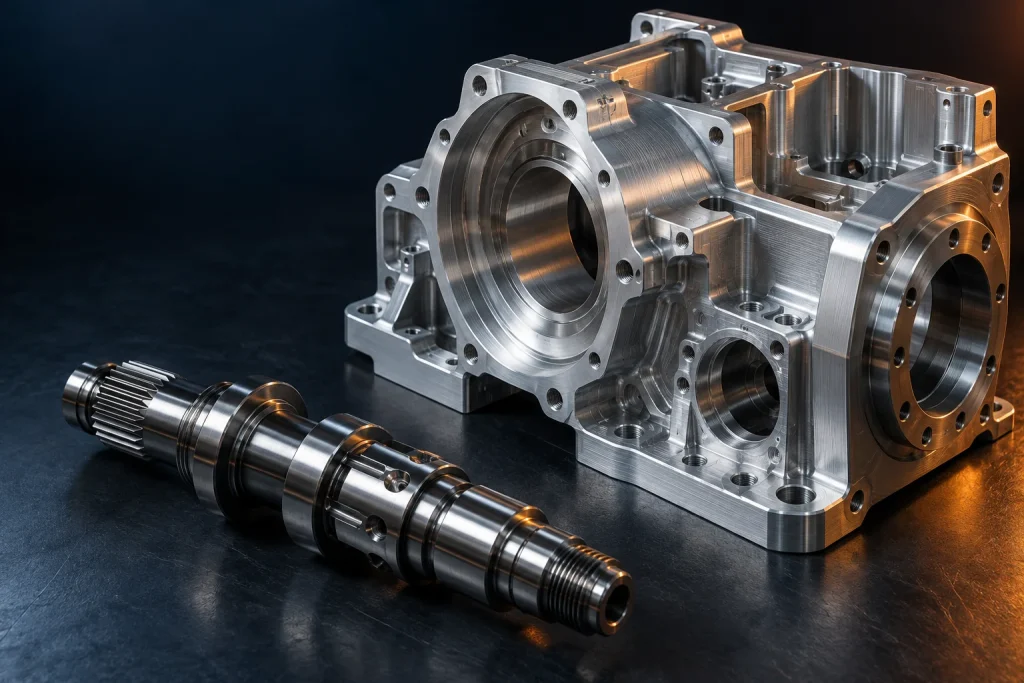
Pockets, profiles, plates and multi-face features.
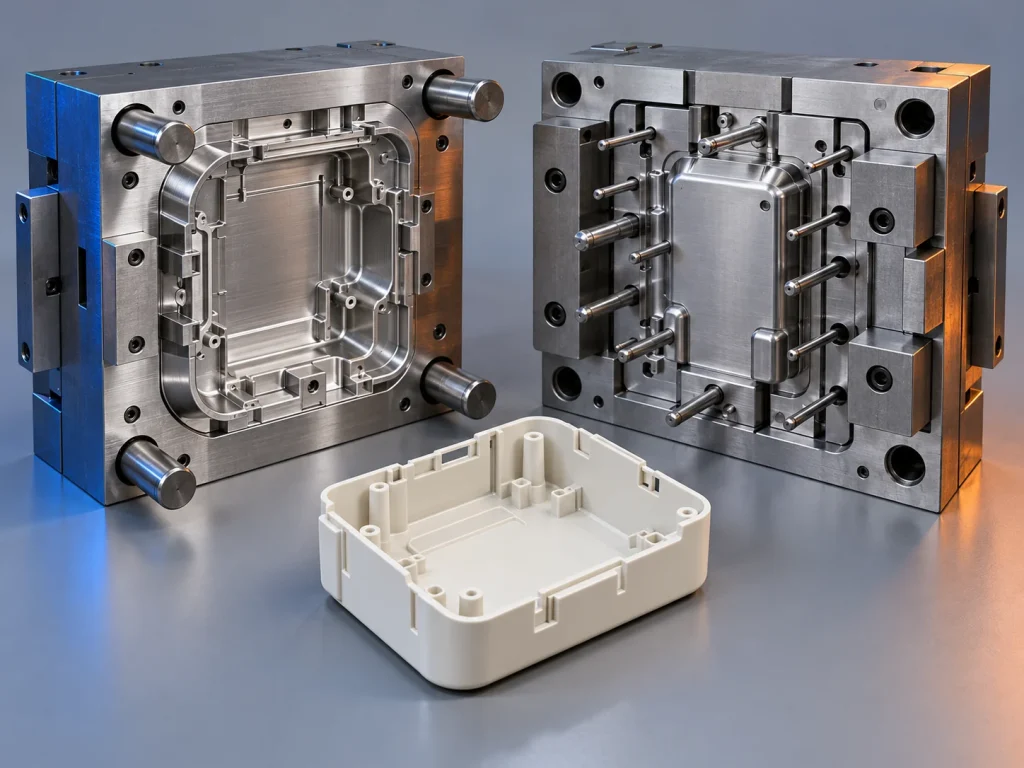
Polymer enclosures, covers and production-intent molded geometry.
Tooling for an agreed part geometry and production requirement.
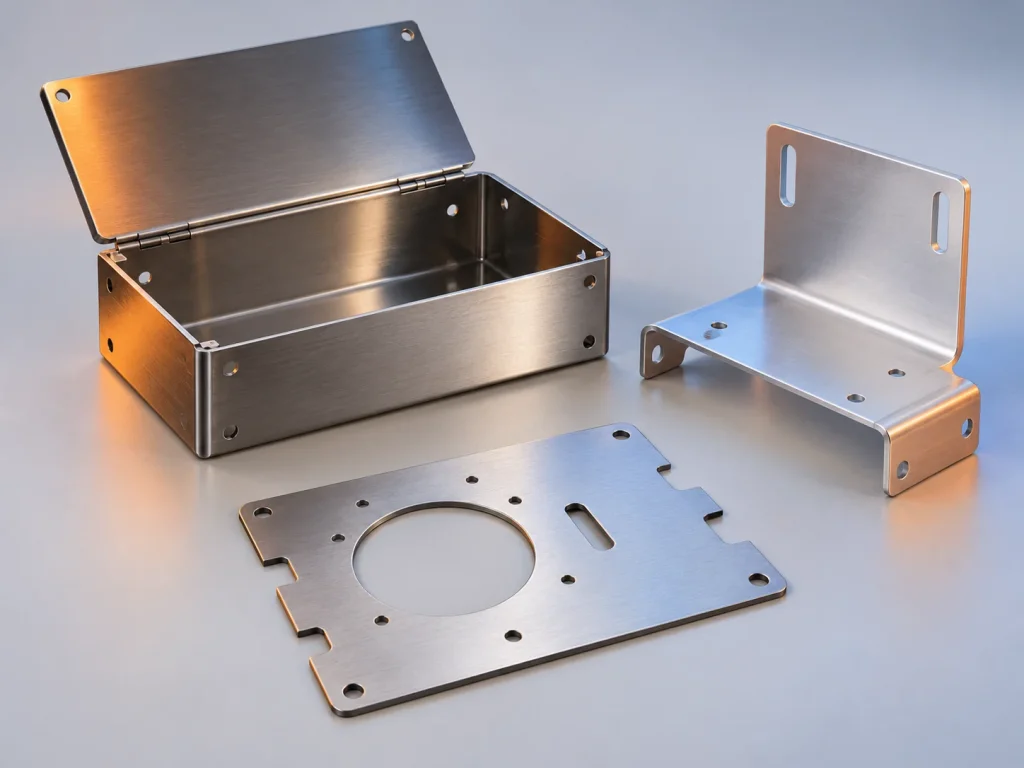
Panels, brackets, covers and sheet-metal enclosures.
Drawing-defined flat profiles, panels and detailed cut features.
APPLICATIONS IN CONTEXT
Review assembly interfaces, fastener access and the purpose of the next prototype. Record features that must represent the final configuration.
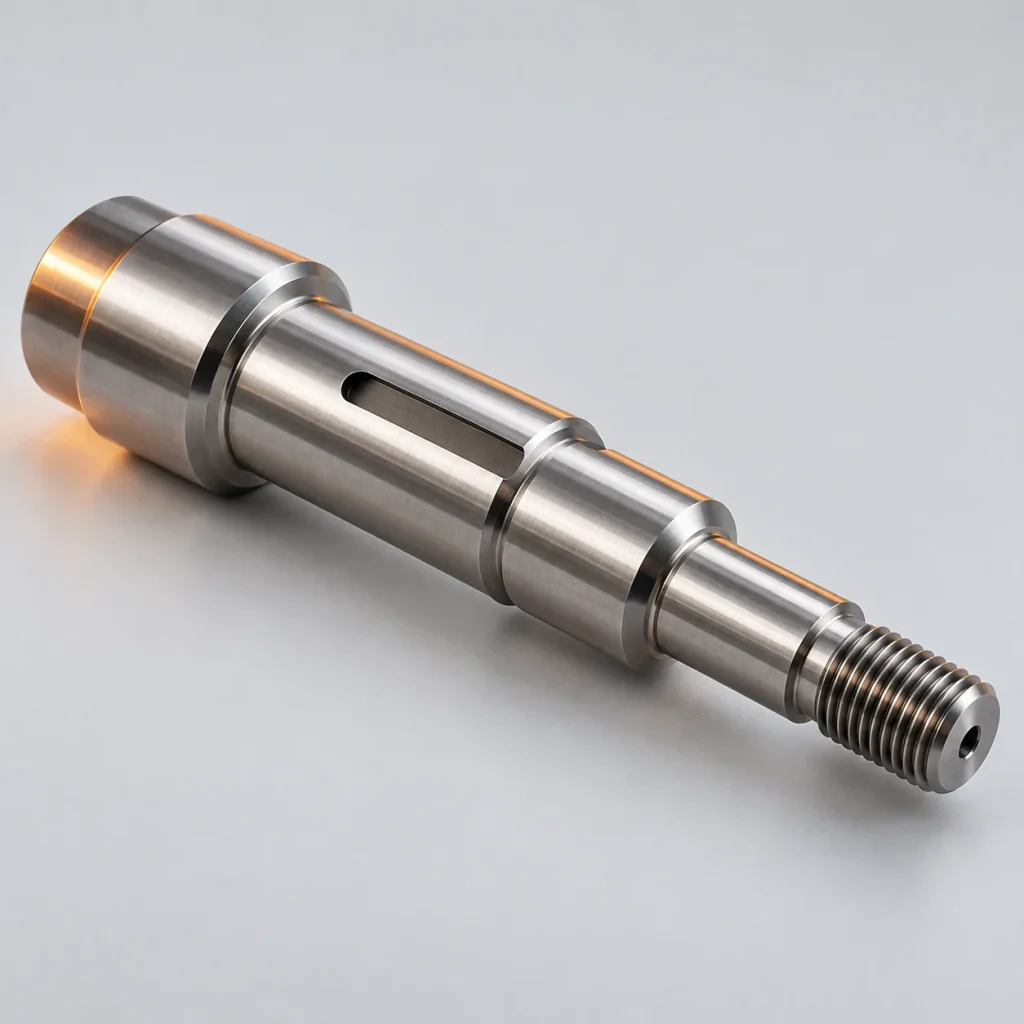
Define how the part locates, which faces establish alignment and the environment in which the fixture will be used.
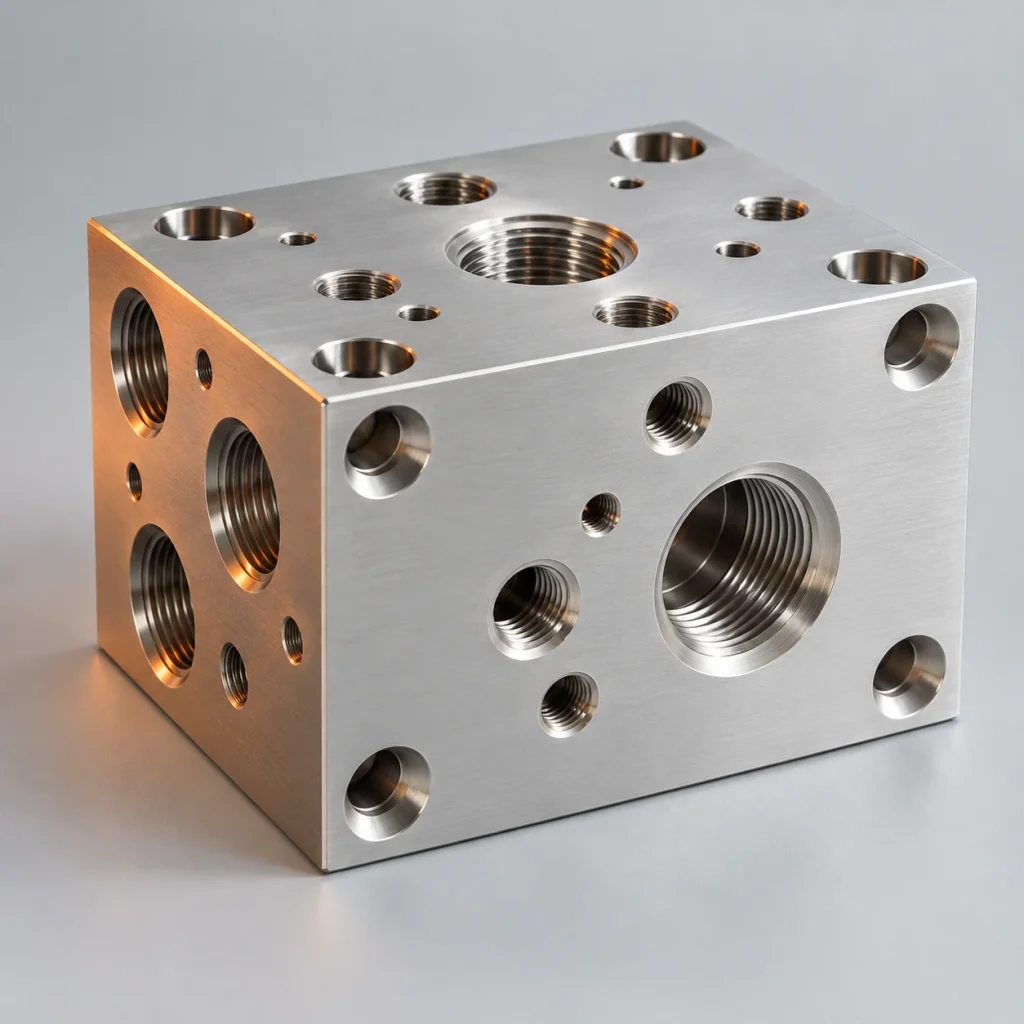
Identify mating relationships, material condition and the dimensional or documentation requirements that need explicit agreement.
Describe the component, assembly context and stage of development.
An explicit application and open-issue list.
Resolve drawing, material, qualification and acceptance questions.
A clear basis for quotation.
Agree the sample purpose, test conditions and feedback responsibility.
Recorded findings and approved changes.
Confirm the controlling revision, quantity and included work.
A defined manufacturing release.
Match part identification, records and protective packing to the order.
The agreed receiving package.
Qualification, inspection and documentation requirements belong in the request, not as assumptions after manufacture. Agree the exact evidence required for the component and order scope.
| Requirement | Specification / review basis |
|---|---|
| Supplier requirements | State the qualification documents and applicable scope your procurement team needs to assess. |
| Drawing & material identity | Identify the controlling revision, grade, condition and the material record requested. |
| Inspection & release | Specify critical features, measurement basis, sampling, report format and approval responsibility. |
| Identification & receiving | Agree part number, revision, quantity, any batch identifier and the handover documents. |
QUESTIONS BEFORE RELEASE
No. Request current documents and check their scope against your supplier requirements. Availability and eligibility for a particular program must be confirmed before commitment.
Describe its purpose and distinguish development hardware from any final-use component. Provide the current specification and acceptance needs for that stage.
Include the application, model and drawing revision, material, quantity, critical features and any required documentation or approval process.
LET’S TALK ABOUT YOUR PROJECT
Share the application, drawing revision, material, quantity and acceptance requirements. Identify any program-specific supplier requirements before release.
Demo inquiry — email delivery is not connected.