
Master and mold
Review the part geometry and the feature relationships that define its function.
Discuss master and moldVALUE-ADDED SERVICES / VACUUM CASTING
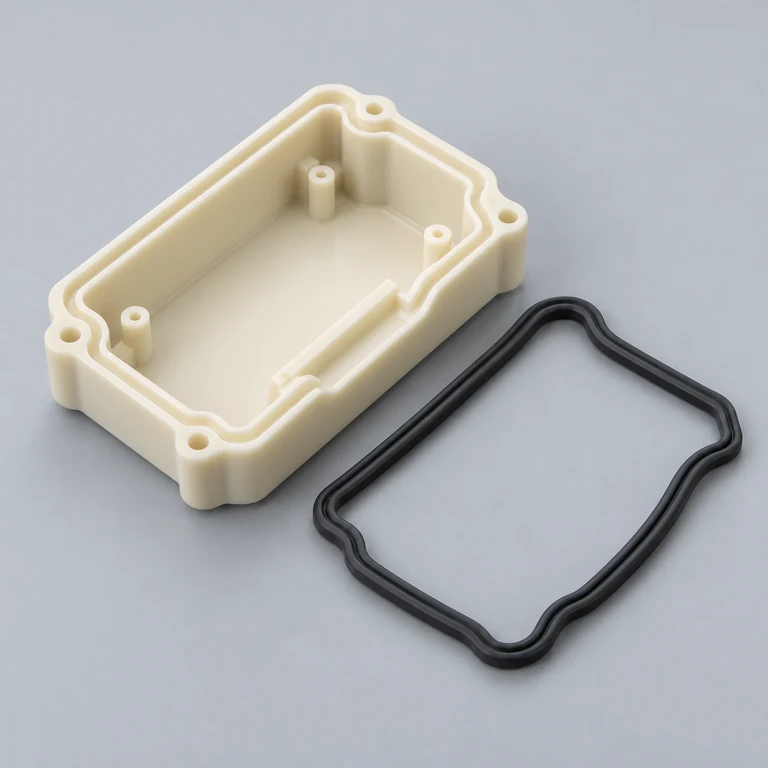
Discuss a master, mold, resin and the intended evaluation before a limited build. Record the dimensions and material characteristics that the sample should represent, plus any differences from a future production route.
CAPABILITY & SCOPE
Discuss a master, mold, resin and the intended evaluation before a limited build. Record the dimensions and material characteristics that the sample should represent, plus any differences from a future production route. The reviewed drawing and quotation establish the actual manufacturing scope. Confirm any specific process qualification or documentation needed for supplier approval.
| Requirement | Specification / review basis |
|---|---|
| Part definition | Current 3D model and drawing; units, revision and controlling dimensions. |
| Geometry / envelope | Overall size, internal features and access reviewed for the actual manufacturing route. |
| Material | Exact grade, condition and declared alternatives; availability confirmed during quotation. |
| Quantity | Prototype, initial batch and expected repeat quantities considered separately. |
| Critical features | Datums, mating interfaces and the tolerances required for the function. |
| Surface condition | Finish, cosmetic surfaces, edge treatment and after-finish dimensions. |
| Secondary operations | Machining, joining, inserts or other operations identified and included explicitly. |
| Inspection | Measurement scope, sample size, reference system and record requirements. |
| Sample approval | Purpose, test conditions, acceptance criteria and responsible approver. |
| Tooling / setup | Any dedicated tooling, holding and agreed reuse or maintenance requirements. |
| Identification & packing | Part number, revision, batch information and surface protection as required. |
| Delivery conditions | Desired milestone, destination and shipping scope; confirmed in the quotation. |
Review the part geometry and the feature relationships that define its function.
Discuss master and moldClarify the manufacturing and material questions before releasing the next stage.
Discuss resin and appearanceAgree the final condition, inspection records and sample approval scope.
Discuss sample purpose and limitsHave a drawing or an open engineering question?
Review this project ↗Provide the application, files, material, quantity and target milestone.
A reviewable brief and identified open questions.
Resolve process, geometry, material and acceptance questions.
An agreed revision and defined quotation scope.
Where required, evaluate a sample against the named objective.
Recorded approval or clearly defined changes.
Confirm quantity, final requirements and any approved changes.
A controlled manufacturing release.
Confirm records, identification, protective packing and delivery arrangements.
The agreed part and documentation package.
Have a drawing or an open engineering question?
Review this project ↗For prototype and limited-build polymer components cast in a silicone mold. Select a rigid, flexible or transparent polyurethane formulation to match the sample purpose.
Agree the acceptable as-produced surface, edges and process marks.
Discuss the required texture, appearance and acceptance reference.
Specify any treatment or secondary work required by the application.
THE FINISHED PART
| Requirement | Specification / review basis |
|---|---|
| General requirements | State the drawing standard, units and default requirements rather than assuming a blanket tolerance. |
| Functional interfaces | Mark fits, positions and features that control the assembled function. |
| Final material condition | Identify dimensions and properties that apply after treatment or conditioning. |
| Inspection basis | Agree methods, reference geometry, sample size and report format. |
| Appearance acceptance | Define visible faces, reference samples and permitted process marks where relevant. |
Clarify draft, parting and geometry that affects the tooling route.
Review wall changes and load-bearing features with the selected material.
Mark interfaces that need secondary machining and their final condition.
Define added components and their placement or joining requirements.
Agree visible faces, acceptable process marks and any treatment.
Separate the prototype purpose from production release and acceptance.
Have a drawing or an open engineering question?
Review this project ↗Define the applicable acceptance requirements before release. Request any material, process, dimensional or test documents by scope and format. Availability and included work are confirmed for your order.
Resolve the controlling files, material, critical features and sample requirements.
Record changes and identify any approvals required before the next stage.
Match records, identifiers, quantity and packing to the agreed handover.
QUESTIONS BEFORE RELEASE
Include the application, current files, material, quantity, finish and critical acceptance requirements. Mark provisional information and any alternatives you want reviewed.
Yes. Identify what is fixed and the question to resolve. A preliminary discussion is distinct from an approved manufacturing release.
The feature, geometry, material and final condition determine the review. Provide functional tolerances and a datum scheme so the actual requirements can be assessed.
Specify its purpose, quantity, test conditions and acceptance criteria. Record what it validates and what remains open before production.
List the exact document or test, method and acceptance criteria. Confirm availability, responsibility and cost in the quotation.
Identify the new revision and changed requirements. Reconfirm their impact on work, price, verification and schedule before proceeding.
LET’S TALK ABOUT YOUR PROJECT
Start with the drawing, application, material and quantity. Include any requirements that need a specific review.
Demo inquiry — email delivery is not connected.