
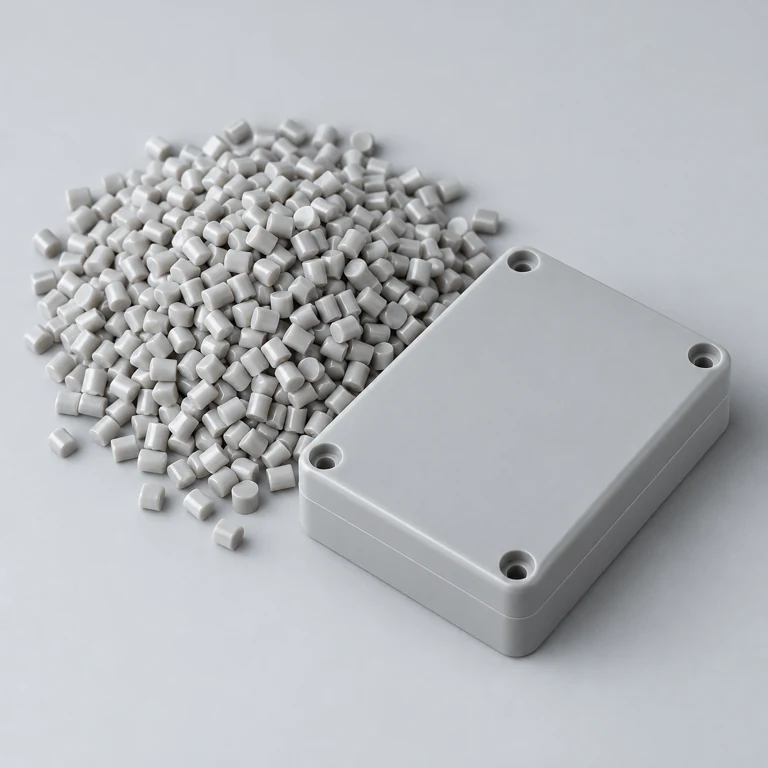
ABS
Review appearance, mechanical loading and heat exposure.
MOLDING
From material selection to sample approval, review the part, resin and tooling around your functional and commercial requirements.
Review your molding project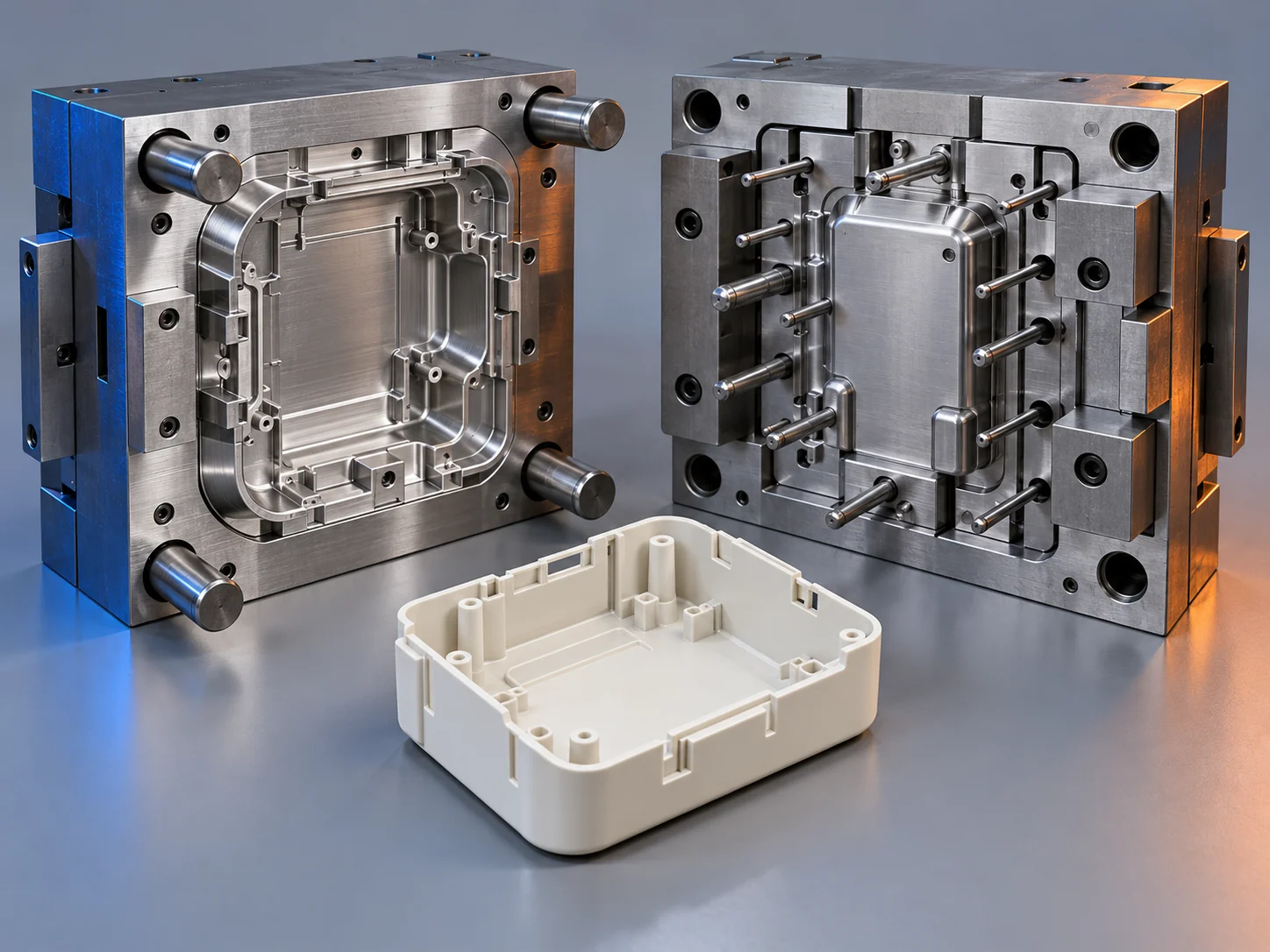
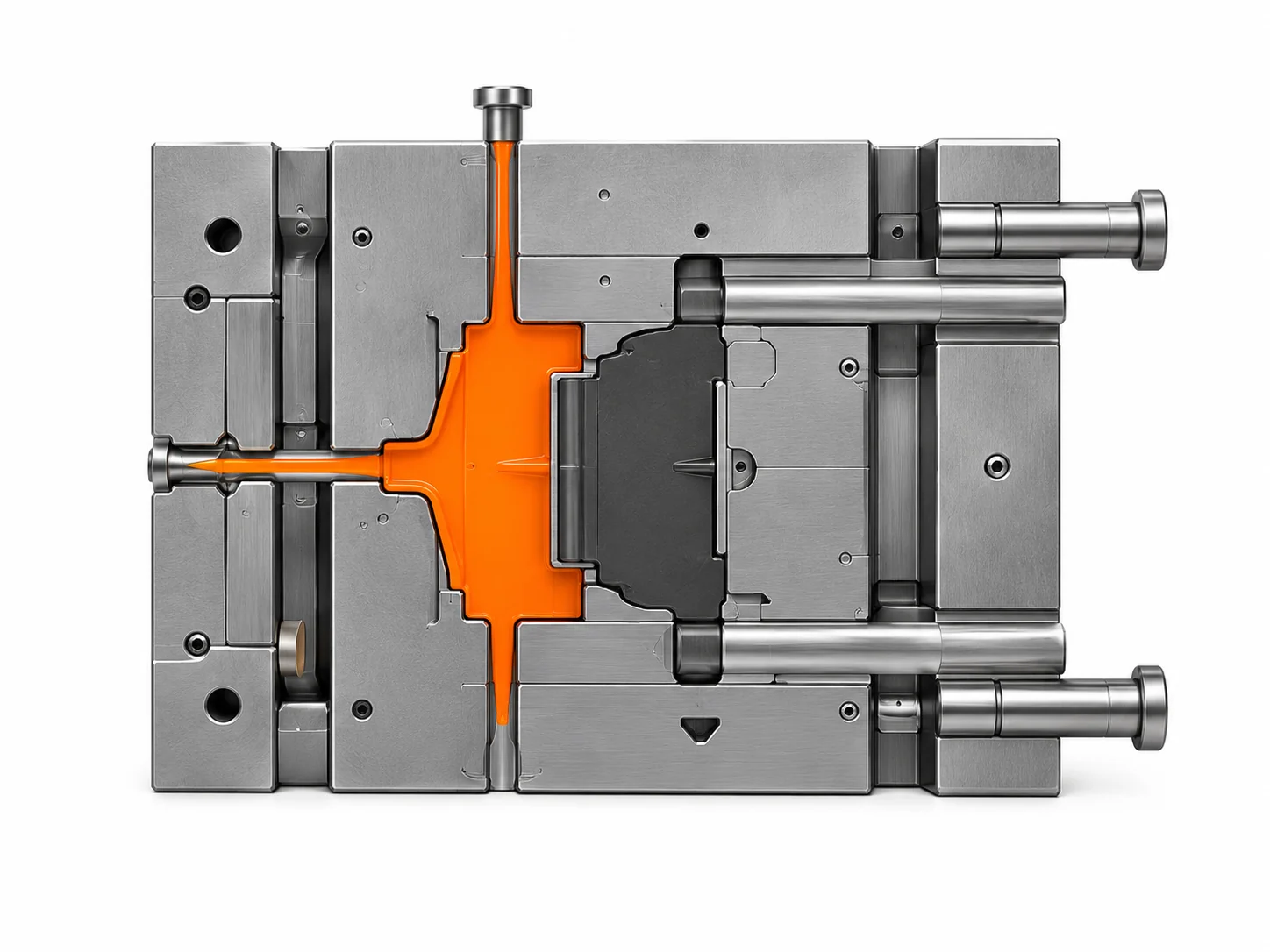
Review the part design, material and tooling as a complete system.
| Item | Typical requirements |
|---|---|
| Geometry | Review wall sections, draft and undercuts. |
| Resin | Mechanical, thermal, chemical and appearance requirements. |
| Quantity | Prototype, initial batch and expected repeat volume. |
| Tool ownership | Agree ownership, maintenance and reuse scope. |
| Sample approval | Confirm dimensions, appearance and function before release. |
Plan functional plastic components around the resin, tooling and sample approval requirements.
Define mold construction, ownership, maintenance and the intended production scope.
Review inserts, retention, location and the resin-to-insert interface before confirming the tooling approach.
Compare resin families against the actual application. Confirm the exact grade before release.
Review appearance, mechanical loading and heat exposure.

Review transparency, impact, drying and processing needs.

Review moisture, temperature and dimensional stability.

Review chemical exposure, shrinkage and geometry.
A sequence of review and approval steps for the actual project.

Evaluate part design, resin and tooling strategy.
Prepare tooling against the agreed scope.
Review dimensions, appearance and function.
Proceed against the agreed release conditions.
Define what the sample must demonstrate and who will approve it.
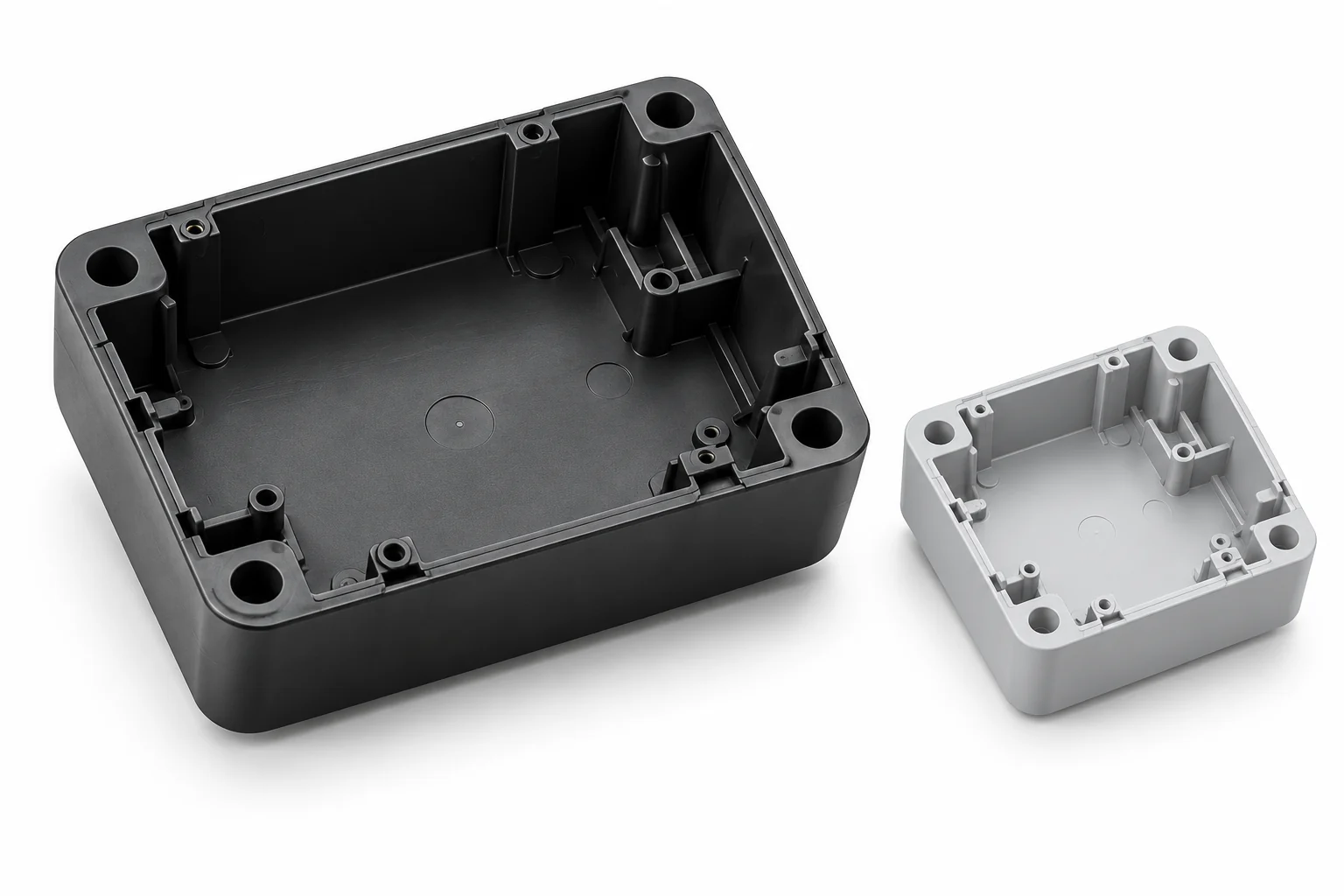
Review critical features against the current drawing.
Agree color, texture and cosmetic surface conditions.
Assess the part with the intended mating components.
Agree the texture, appearance and approval method.
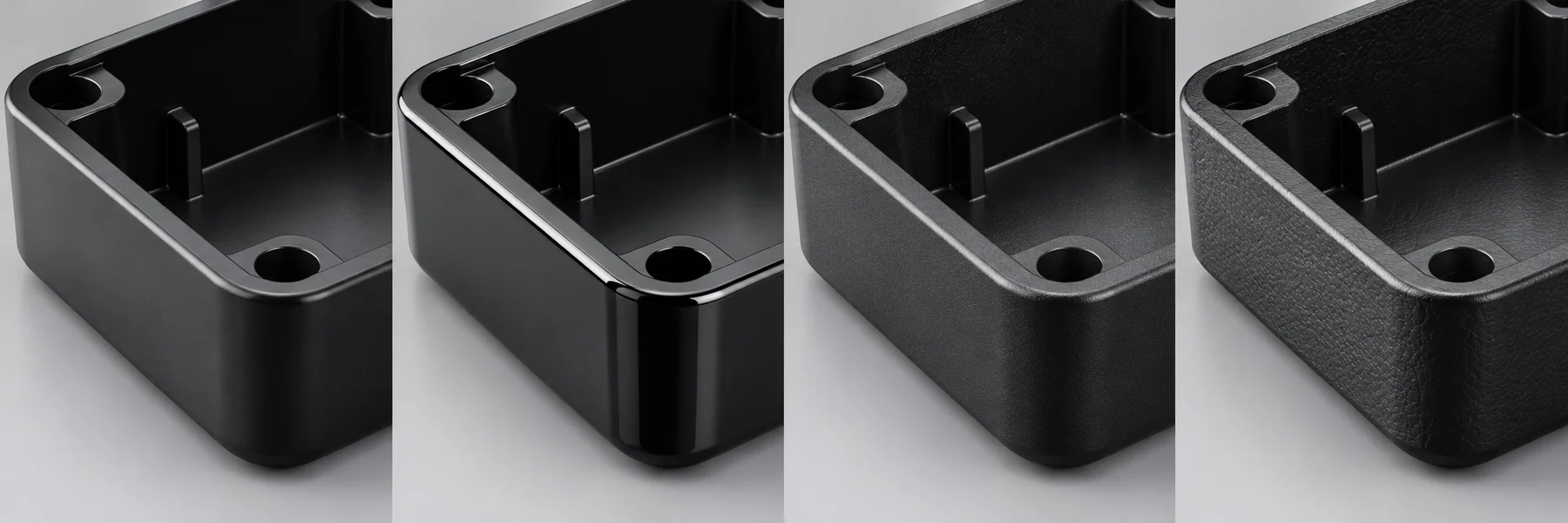
A practical low-gloss surface to discuss.
Specify cosmetic surfaces and tooling finish.
Review texture depth and release conditions.
Confirm a sample or agreed texture reference.
Share your drawing, material, quantity and finish requirements.
QUESTIONS BEFORE RELEASE
Share your current drawing and 3D model using the contact form. Identify revision, units, material and the features that control fit.
The material, process, quantity, inspection scope and release conditions are agreed for the actual part before work proceeds.